π«
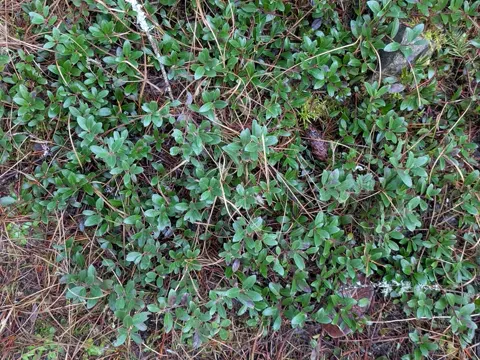
BilberryVaccinium myrtillus
At peak
Heaths, moors and open conifer woods
π«
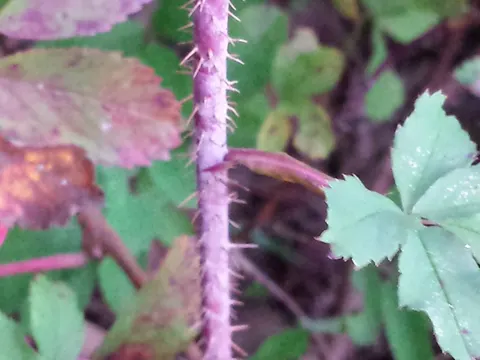
BlackberryRubus fruticosus
At peak
Hedgerows, waste ground and woodland edges
π
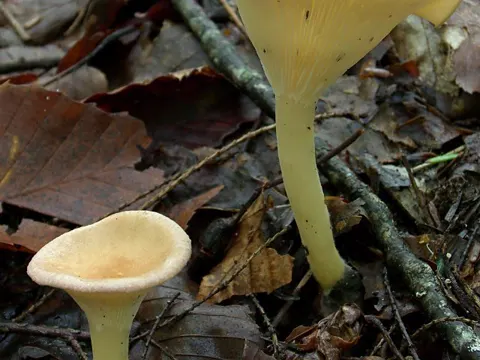
ChanterelleCantharellus cibarius
At peak
Mossy conifer and beech woods
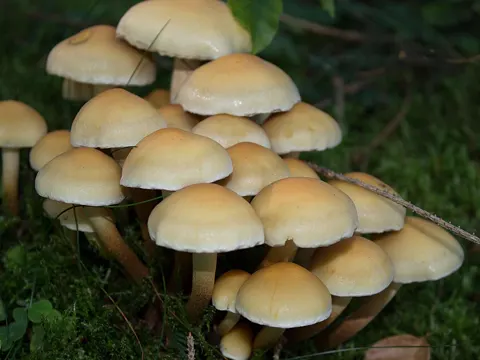
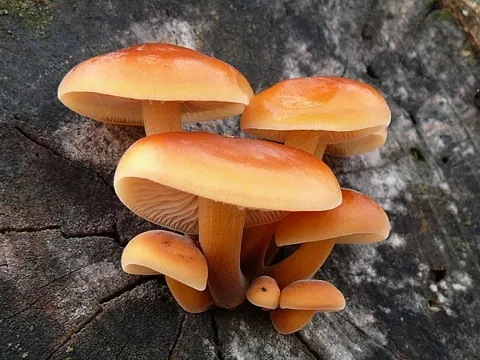
β Lookalikes: false chanterelle and toxic jack-o'-lantern.
π
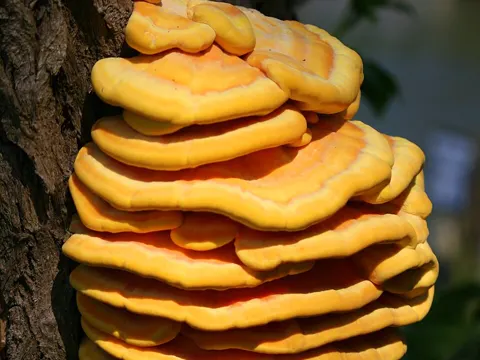
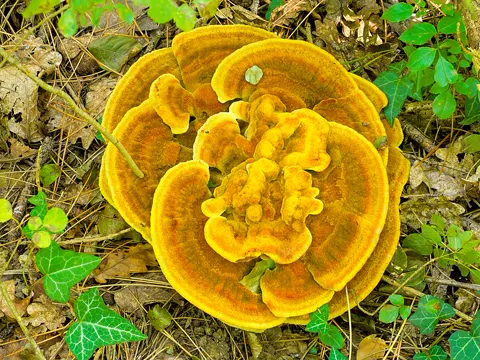
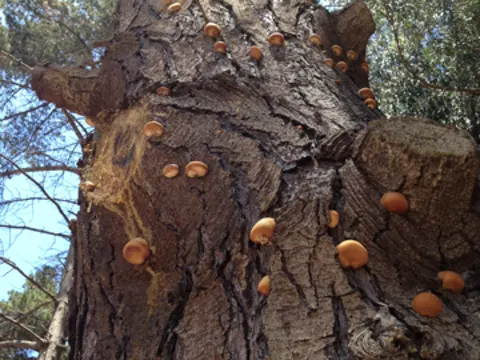
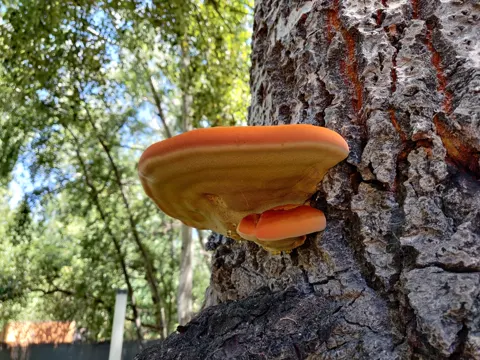
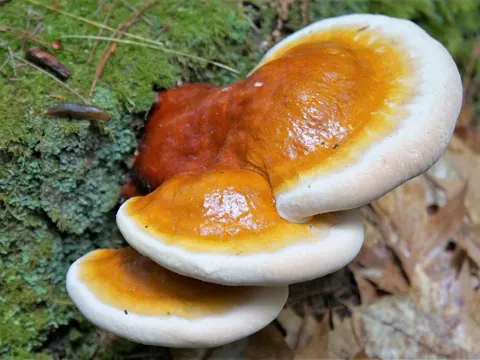
Chicken of the woodsLaetiporus sulphureus
At peak
Bright brackets on oak and other broadleaves
β Never from yew or eucalyptus; always cook well.
π
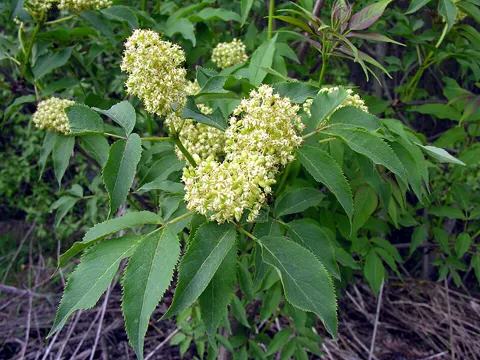
ElderberrySambucus nigra
At peak
The same shrubs that gave you elderflower
β Always cook: raw berries upset the stomach.
π
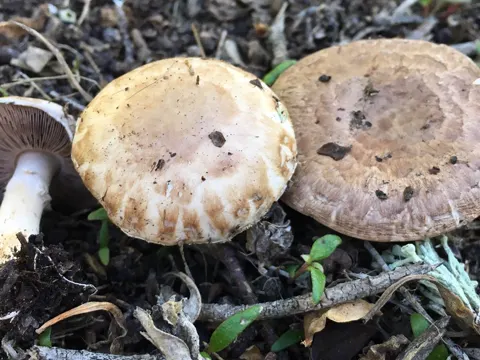
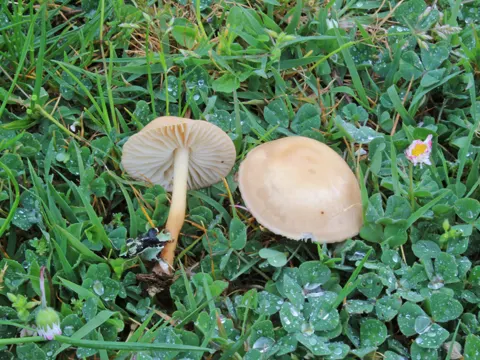
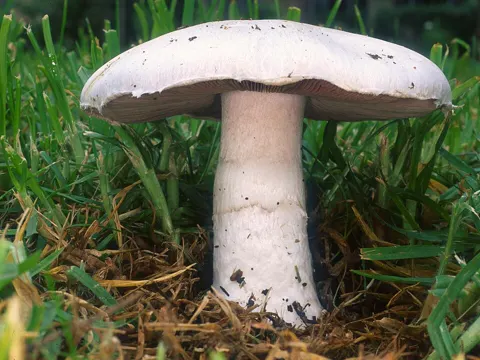
Field mushroomAgaricus campestris
At peak
Pastures and lawns after rain
β Deadly lookalike: destroying angel. Yellow stainer bruises bright yellow.
βͺ
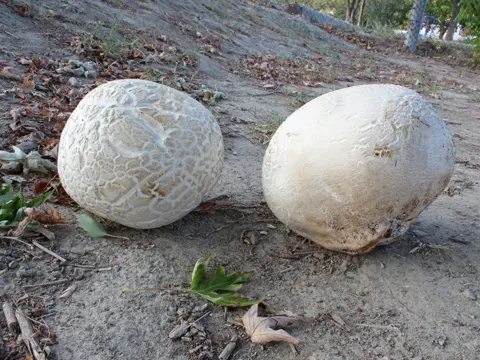
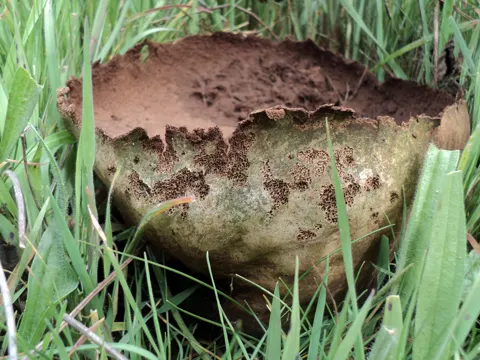
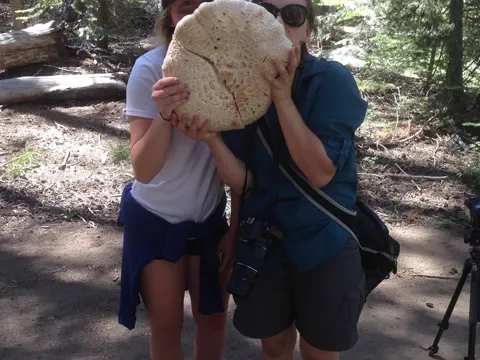
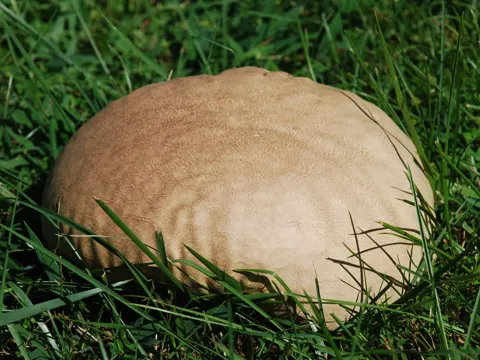
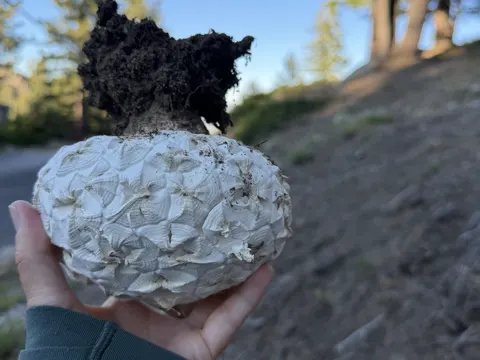
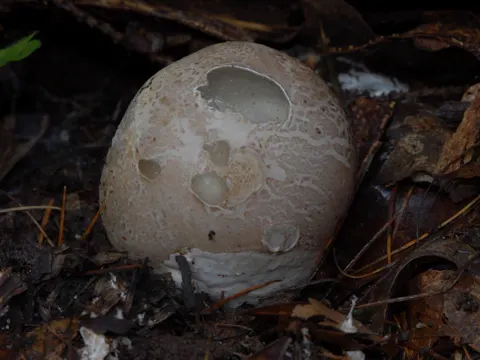
Giant puffballCalvatia gigantea
At peak
Meadows and pastures
β Slice it: the flesh must be pure white throughout.
πΌ
MeadowsweetFilipendula ulmaria
At peak
Wet meadows and riverbanks
β Contains salicylates: avoid with aspirin allergy.
π
Parasol mushroomMacrolepiota procera
At peak
Grassland and open woods
β Only with a snakeskin-patterned stem; avoid small parasol lookalikes.
π
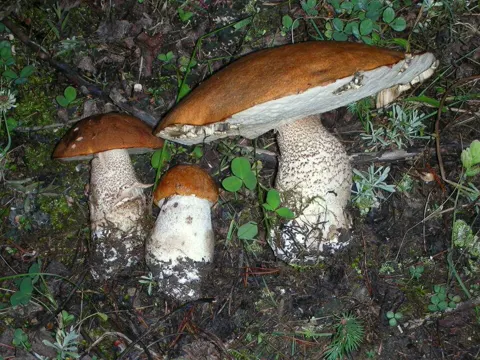
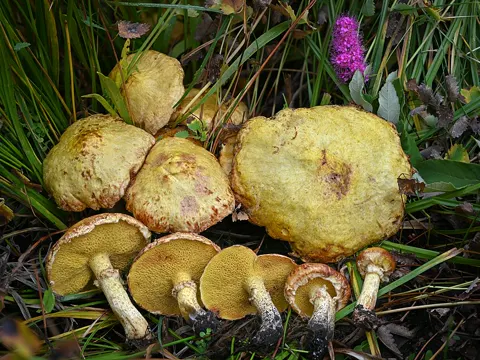
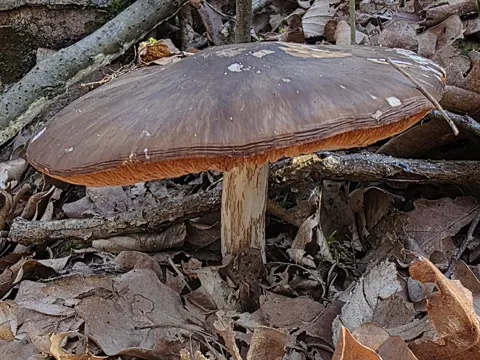
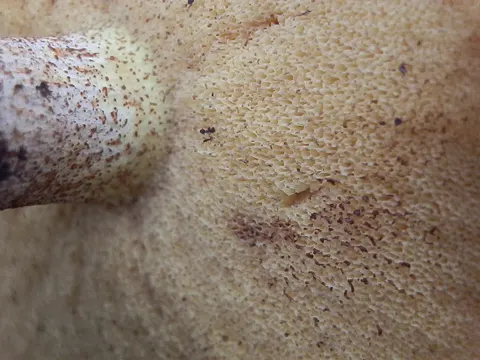
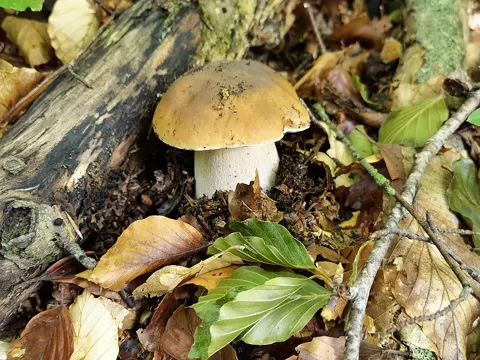
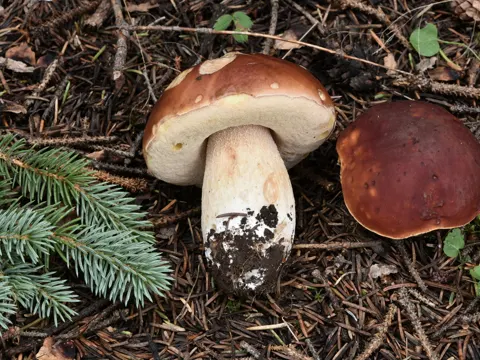
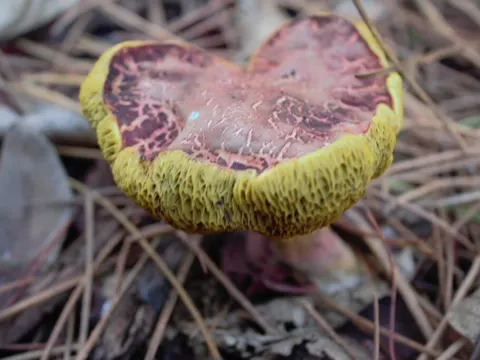
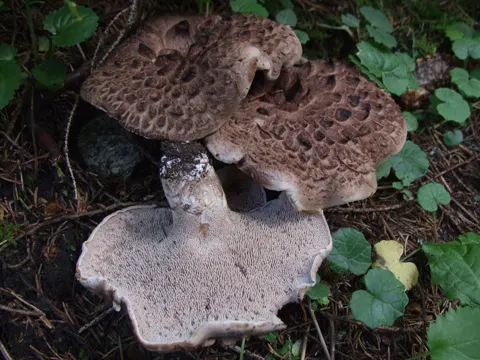
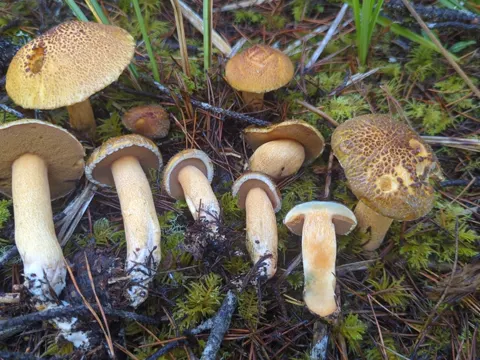
PorciniBoletus edulis
At peak
With spruce, pine, beech and oak
β Bitter bolete ruins the pan; devil's bolete is toxic.
π
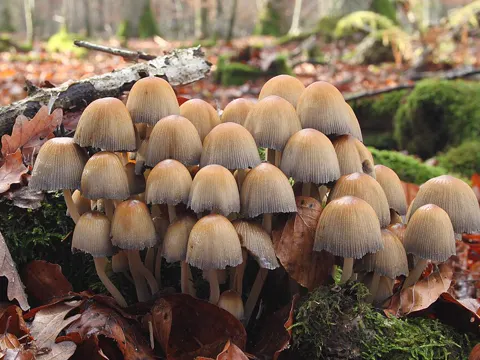
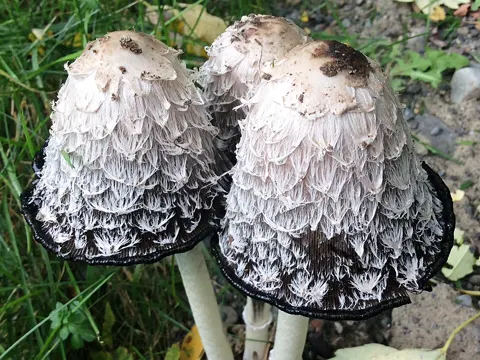
Shaggy ink capCoprinus comatus
At peak
Lawns, verges and disturbed soil
β Eat young and fresh, the same day you pick it.
πΈ
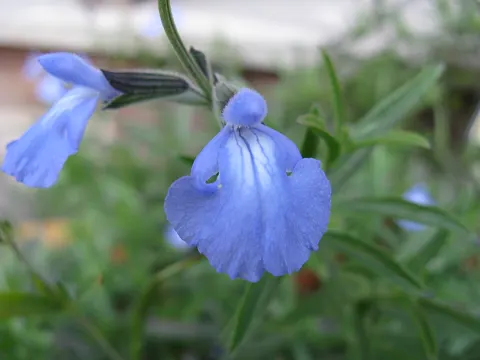
Wild marjoramOriganum vulgare
At peak
Chalky grassland and warm, sunny edges
πΏ
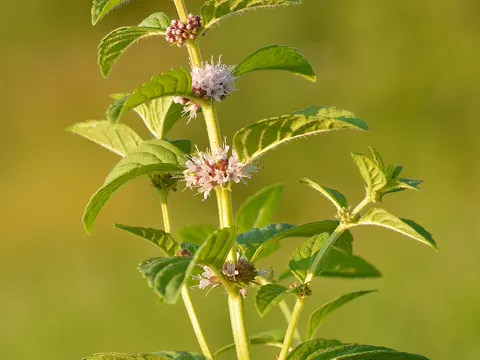
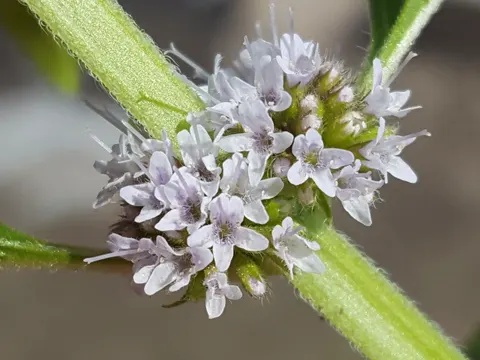
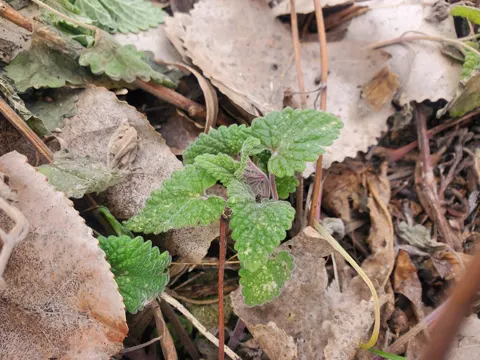
Wild mintMentha arvensis
At peak
Streamsides, ditches and damp meadows
π
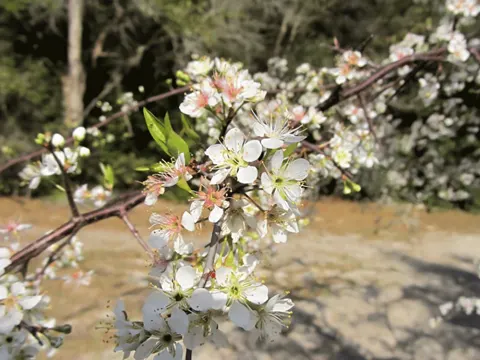
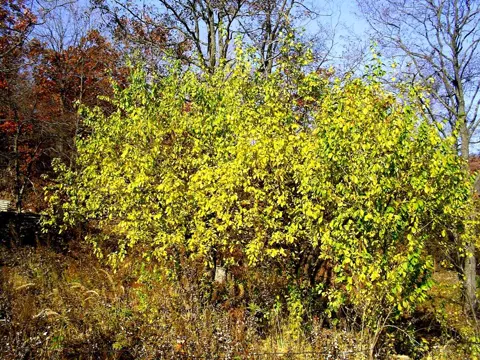
Wild plum & mirabellePrunus domestica
At peak
Old hedgerows and orchard edges
π
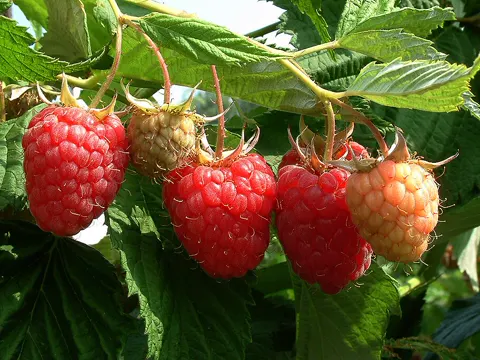
Wild raspberryRubus idaeus
At peak
Clearings, woodland edges and upland scrub
πΈ
Wild thymeThymus serpyllum
At peak
Dry, sunny banks and short grassland
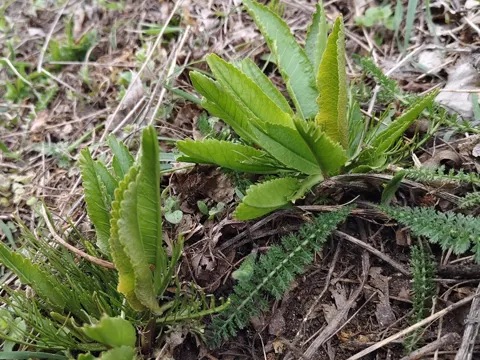
πΏ
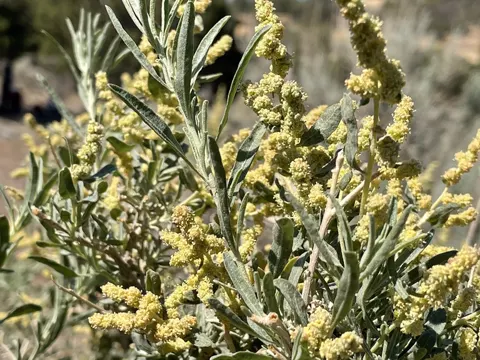
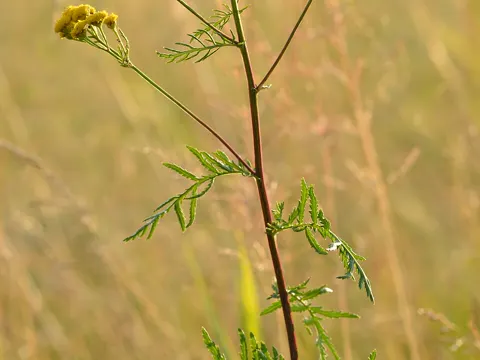
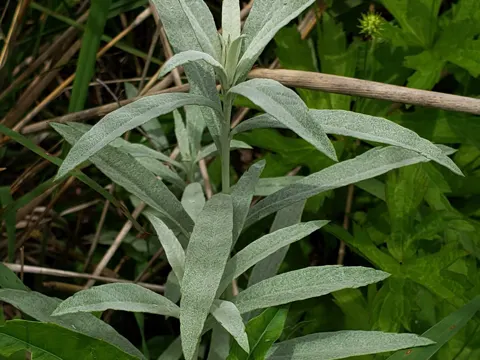
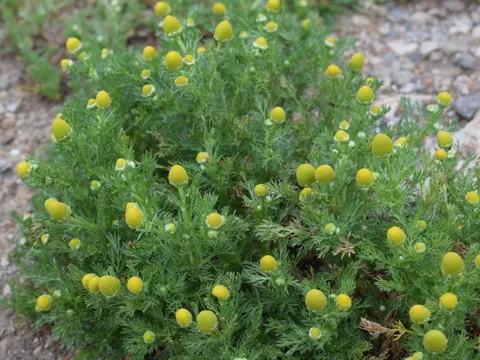
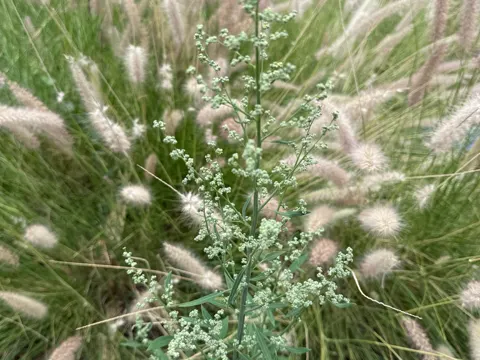
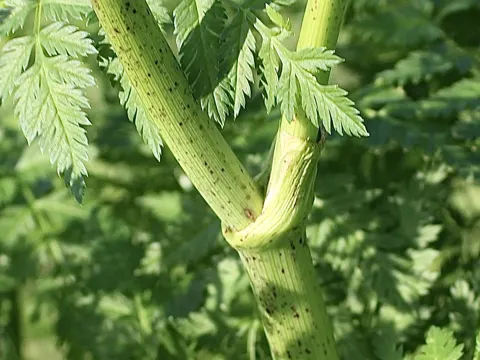
YarrowAchillea millefolium
At peak
Dry meadows and verges
β Carrot-family lookalikes: crushed leaves smell herbal and bitter.
πΏ
ChickweedStellaria media
In season
Gardens, fields and disturbed ground, almost year-round
β Check the single line of hairs along the stem.
π
Cornelian cherryCornus mas
In season
Parks and warm woodland edges
π
Crab appleMalus sylvestris
In season
Hedgerows and old pasture
πΌ
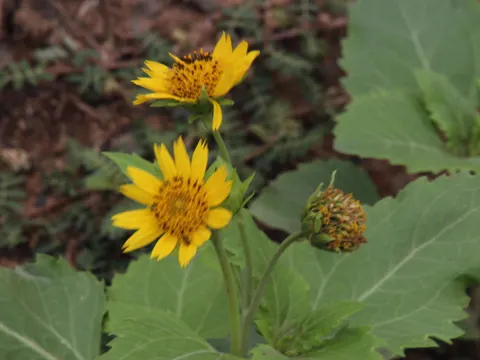
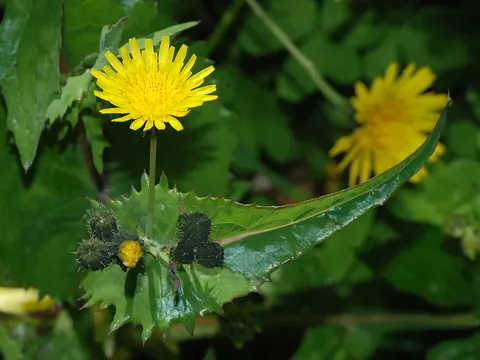
DandelionTaraxacum officinale
In season
Meadows, lawns and verges almost everywhere
π°
HazelnutCorylus avellana
In season
Hedgerows and coppiced woods; race the squirrels
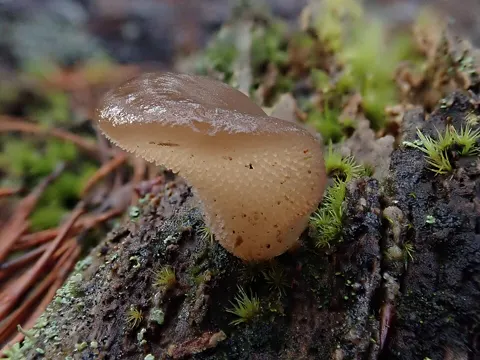
π
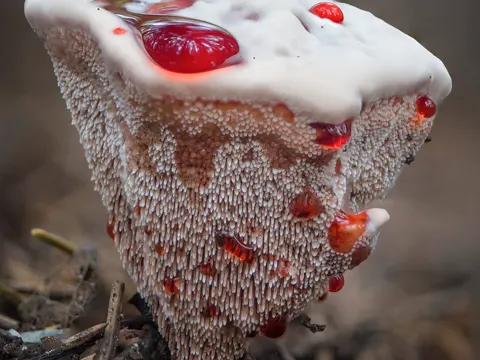
Hedgehog mushroomHydnum repandum
In season
Mixed woods; spines instead of gills make it distinctive
πΏ
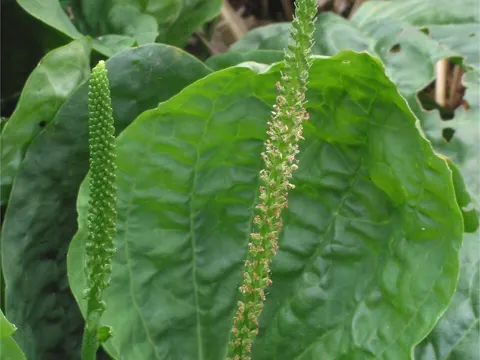
Ribwort plantainPlantago lanceolata
In season
Paths, meadows and lawns
π
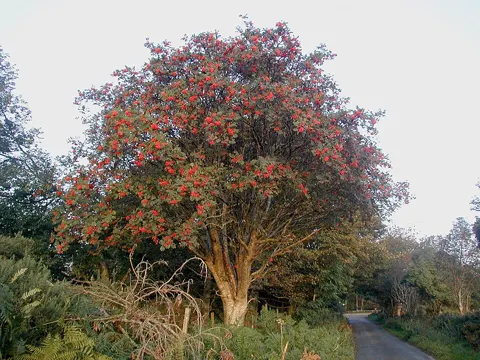
Rowan berriesSorbus aucuparia
In season
Mountain ash along streets and uplands
β Cook first: raw berries are mildly toxic.
π
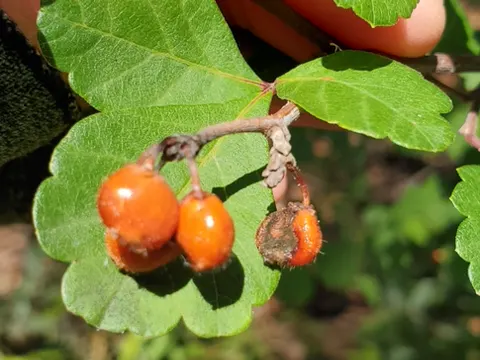
Sea buckthornHippophae rhamnoides
In season
Coasts, dunes and gravelly riverbanks
π±
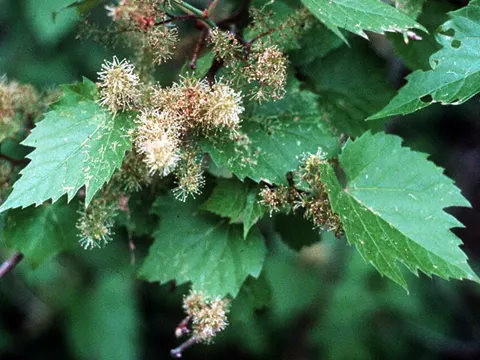
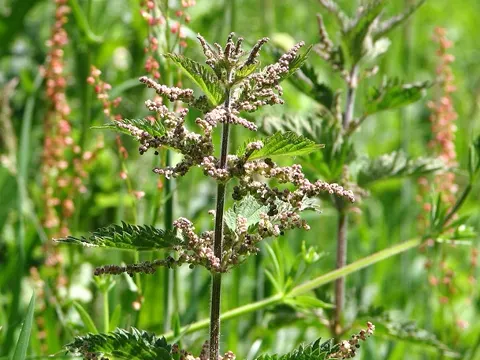
Stinging nettleUrtica dioica
In season
Rich soils: field edges, riverbanks, disturbed ground
π
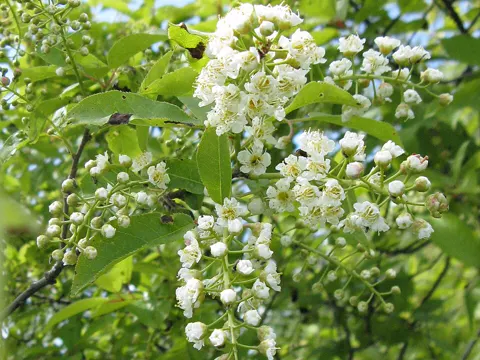
Wild cherryPrunus avium
In season
Woodland edges and parks; the birds race you
πΉ
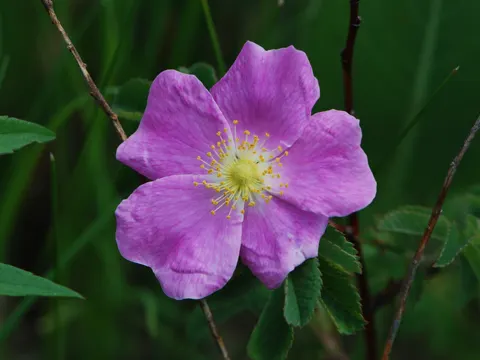
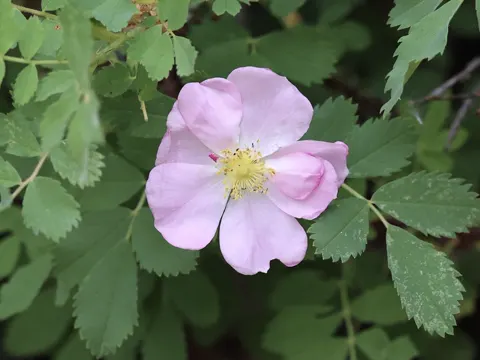
Wild rose petalsRosa canina
In season
Hedgerows and scrub
π
Wild strawberryFragaria vesca
In season
Sunny woodland edges and banks
βοΈ
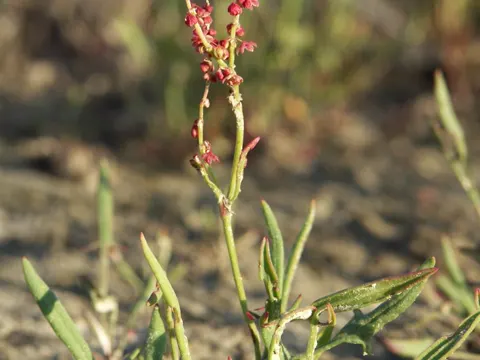
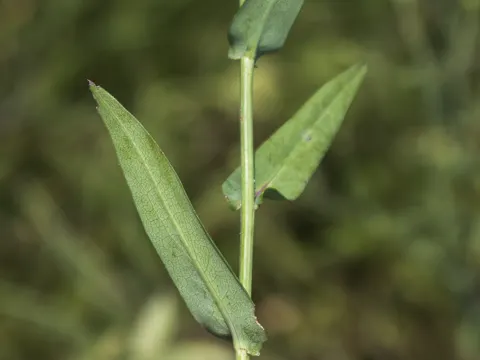
Wood sorrelOxalis acetosella
In season
Shady woodland floors and mossy logs
β Oxalic acid: small amounts only.
π°
BeechnutFagus sylvatica
From August
Beech woods, in mast years
β Small amounts raw; roasting makes them safer.
π
Hawthorn berriesCrataegus monogyna
From August
Hedges nearly everywhere
β Don't crush or eat the seeds.
πΉ
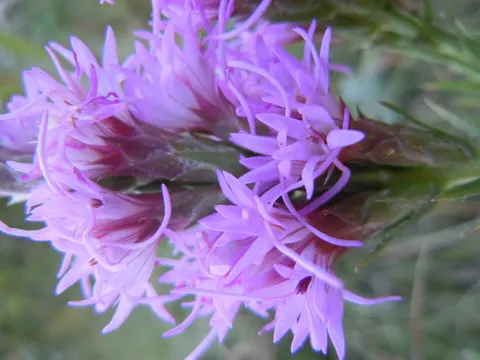
RosehipRosa canina
From August
Wild roses in hedges and dunes
β Remove the itchy seed hairs before eating.
π«
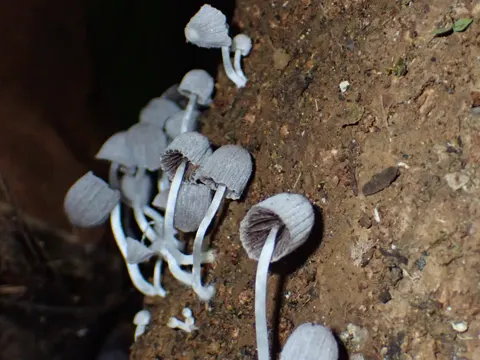
SloePrunus spinosa
From August
Blackthorn thickets; best after the first frost
π°
Sweet chestnutCastanea sativa
From August
Chestnut woods on acid soils
β Lookalike: horse chestnut (inedible). Sweet chestnut husks are finely spiny all over.
π°
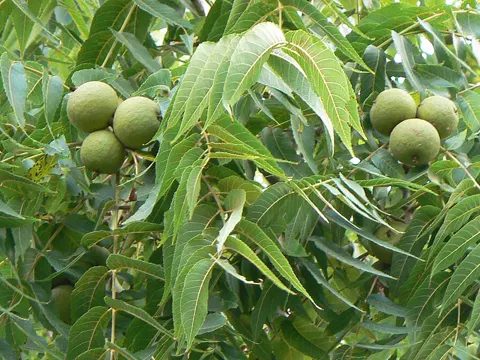
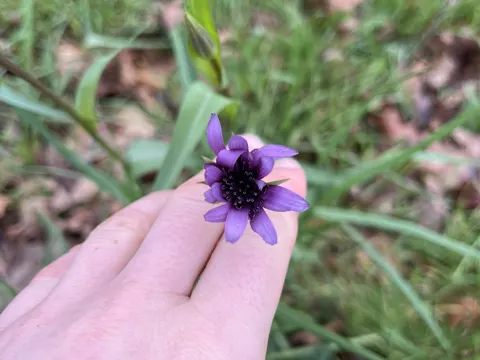
WalnutJuglans regia
From August
Parks, farms and warm valleys