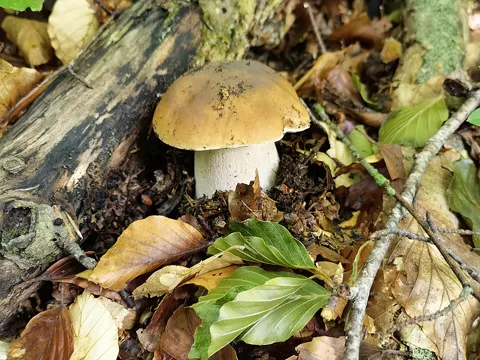
November 9 · In season now: Porcini→

What grows when in
your area?

No AI guesswork: Forage computes your region’s season from over 3 billion data points and helps you identify every find safely.

Download on the App Store Get it on Google Play
  • Free to start
  • iPhone and Android
  • Worldwide
3 billion data points★★★★★
15:14
Today · Klausen-Leopoldsdorf
Partly sunny
27°27°11°
In season now
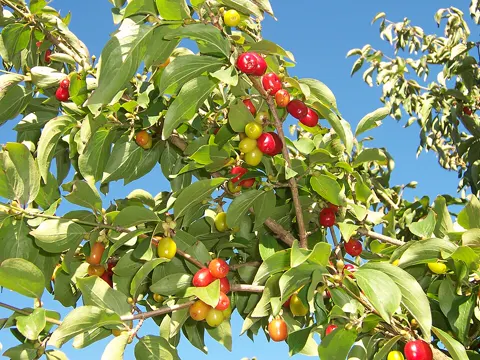
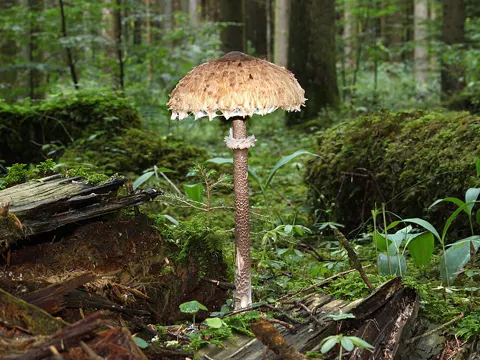
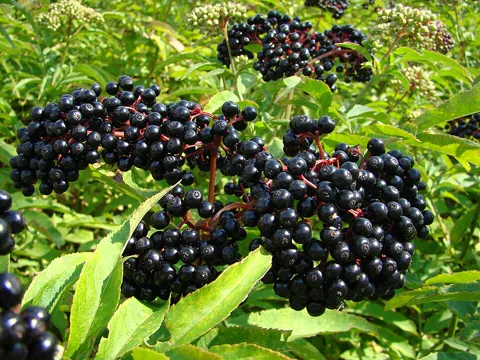
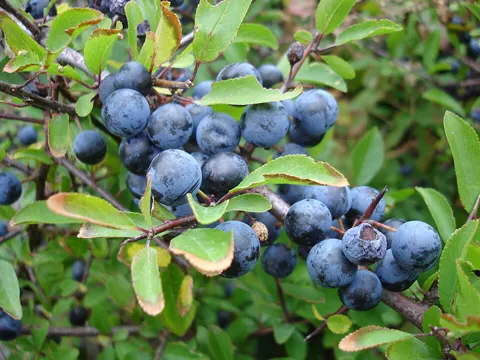
In season Sea Buckthorn Ending soon Cornelian Cherry In season Parasol Ending soon Black Elder In season Sloe
Explore Foraging Tools
Species catalogPoisonous plants quizYour Foragedex
Your watchlistSee all
+9 more species
Discover
Forage · now
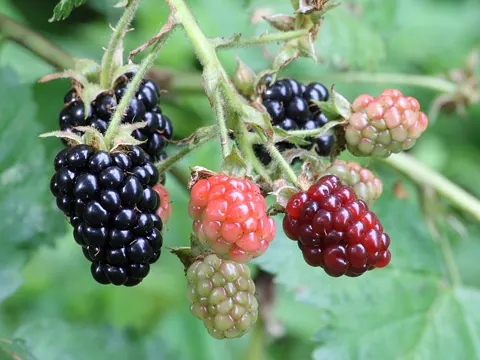
Blackberries are ripe!
Now in season in your region
👆 Tap your way through the app
Science, not AI

What grows when: backed by records, not guesses.

Season calendars are averages, and an AI only guesses on top of them. Forage instead computes with over 3 billion data points from museums, research collections and naturalists worldwide.

For every species you see when it's actually ripe in your region, how many real finds back that up, and which month gets the most reports.

Plus what no calendar knows: Forage factors in weeks of recent weather and your location's elevation. A warm valley is ready earlier than a cool ridge.

SloePrunus spinosa
PlantIn seasonCommon
Harvest time
Fruit typically ripens Jun to Nov
Observed across 433 records with ripeness data
Found near you
733within 50 km · since 2020
JFMAMJJASOND
Reports per month · most in Oct
Weather + elevationWeeks of recent weather and your location's elevation fine tune the season.
Identify safely

First the direction, then the certainty.

The photo scan recognizes plants and mushrooms remarkably well in practice and points you in the right direction instantly.

Then you make sure: every species comes with characteristics to check, edible parts, warnings, and the lookalikes you need to watch for.

Never eat anything you haven't identified beyond doubt.

ChickweedStellaria media
Described as edible
Flowers:small, under 1 cm, 5 bifid white petals
Leaves:green, oval, opposite, 6 to 25 mm
Stem:sprawling, a single line of hairs along its length
Leaves · edible
Used as a leaf vegetable, often raw in salads
Stem · edible
Some may be too fibrous to eat
Contains saponins, not advised during pregnancy or breastfeeding.
Foraging pays off

See what your basket is worth.

Berries, mushrooms, wild herbs: what you forage, you'd otherwise buy. Forage converts your logged finds into local store prices.

So year after year, you know what the forest gave you by the end of the season.

Estimated store value
~$145in 2026
~$470all time
A conservative estimate: your logged finds valued at local store prices.
52finds
14species
3years
For families

Foraging with kids, without the guesswork.

“What's that? Can you eat it?” With Forage the answer is in your hand: what it is, when it ripens, and what you can make from it.

The Foragedex turns every walk into a treasure hunt: each new species an entry, badges for keeping at it. Outside, kids learn more than in front of any screen.

33 species collected
33 of 196 in your region
AllIn seasonCollectedMissing
🌱📷🌲👑❄️📖
Never too late

Forage tells you when it's time.

For many species, only two weeks separate “not yet” from “over.” Miss them, and you wait a year.

Put species on your watchlist: the moment the season starts in your region, Forage pings you, instead of you checking every week.

Forage · now
Blackberries are ripe!
Now in season in your region
Blackberry
Now in season
Chanterelle
Season: Jul to Oct

Everything a foraging day needs

Start for free. Pro gives you offline regions, an unlimited watchlist, and 50 scans a month.

What’s growing near you?

Download free and see what’s in season in your region right now.

Download on the App Store Get it on Google Play
3 billion data points★★★★★

Guides for the field

Season, habitat and lookalike risk for the most common species. No edibility promises: the call is yours.

March to May

Wild garlic foraging: season, habitat and the three lookalikes

When wild garlic grows, where it stands, and how to tell it from lily of the valley and autumn crocus. With the harvest window and the law.

June to November

Chanterelle mushrooms: identification, where they grow, season

How to recognise chanterelle mushrooms, where and when they grow, and which lookalikes get mistaken for them, including the deadly webcap, which can cause kidney failure.

Flowers May to June, berries August to September

Harvesting elderberry: flowers in June, berries in September

Black elder has two harvest windows a year. When they fall, how to recognise the shrub, and why the berries aren’t used raw.

Varies by species

Mushroom season: which mushroom grows when

Season windows for morel, St George’s mushroom, chanterelle, cep, parasol, oyster mushroom and velvet shank, examples of rain, year and region, and the poisonous death cap that fruits in the same months.

March to October

Edible wild plants: the most common species and their season

An overview of the most common wild plants, their harvest windows, and the lookalikes worth knowing.

year round

Identifying wild plants: a method, not a hunch

How to identify a wild plant systematically: which features count, which deceive, and where every app hits its limits.

November to February

Winter foraging: what to look for from November to February

What you can still find in winter: chickweed and bittercress, mushrooms on wood, how to tell Scots pine from poisonous yew, a note on the autumn fruits rose hips and sloes, plus the poisonous species growing in the same places and how to tell them apart.

Late summer to autumn

How long after rain do mushrooms grow?

How long after rain mushrooms appear: from inkcaps that come up overnight to ceps about eight days later, why rain triggers fruiting, how the Forage app estimates the window, and what to do before you pick anything.

Year-round

Mushroom picking in Germany: how much you may pick and where

What German nature conservation law allows when you pick wild mushrooms, what counts as a small quantity, which species are protected, where you may pick and when you need a permit. Based on the legal texts and the German Mycological Society (DGfM).

September to December

When to pick sloes: season, frost and lookalikes

When sloes are ripe, whether you need to wait for the first frost, why some years bring more fruit, how to recognise blackthorn and tell it from buckthorn and cherry plum, and what to do if someone ate the wrong berries.

September to March

Oyster mushroom season: when and where to find them

When oyster mushrooms are in season, from autumn into winter, where they grow on dead hardwood, how to recognise them, and which lookalikes to rule out before you pick.

Year-round

Mushroom picking in Austria: how much you may pick, when and where

What Austria's Forest Act allows when you pick wild mushrooms, why the limit is two kilograms, and the extra rules in Carinthia, Salzburg, Tyrol, Vorarlberg, Lower Austria and Upper Austria. With picking hours, closed seasons and the poison helpline.

Death cap: July to October

Poisonous mushrooms: the deadliest species and their lookalikes

The most dangerous poisonous mushrooms in Central Europe, which mushrooms they are mistaken for, how long symptoms take to start and what to do if someone may have been poisoned.

Varies by species

How to identify mushrooms: a step by step method

How to identify a wild mushroom: collect the whole fruitbody, note the habitat, describe it, make a spore print and use a key. Plus what apps can and cannot do.

Year round

Foraging: a beginner's guide to finding wild food

What foraging is, how beginners can start, which rules apply in England, Wales and Germany, and the poisonous lookalikes to know before you pick.

July to November

Porcini mushrooms: how to recognise them, season and lookalikes

How to recognise porcini (Boletus edulis) by cap, pores and stem, when and where they grow, and how to tell them from the bitter bolete and other lookalikes.

September to November

Lion's mane mushroom: how to recognise it, where it grows, season

How to recognise lion's mane (Hericium erinaceus) by its single clump of hanging spines, where and when it grows, which relatives look similar, and the rules on picking it.

Autumn

Acorns: how to tell oak acorns apart, when they ripen and what mast years are

How to recognise the acorns of English, sessile, Turkey, red, bur and California black oak, how to tell when an acorn is ripe, what mast years are, and what the law says about picking them.

Autumn to early winter

Chestnuts: sweet chestnut vs horse chestnut, season and where they grow

How to tell sweet chestnuts from horse chestnuts by leaf, husk and nut, when they fall, where the trees grow, and what to do if someone eats a horse chestnut.

Behind the app

How the seasonal timing is calculated, how Forage compares with the other foraging apps, and what it deliberately does not do.

One note before you head out

Forage helps you discover and identify wild plants, but identification is never 100% certain. Many edible plants have toxic lookalikes. Never eat anything you find based only on what this app tells you. Always confirm with a field guide, an experienced forager or a local expert. The season score tells you where to look, too: it’s not a guarantee. Mind conservation law and property rights as well.